Iran Confirms US Strikes Hit Power Infrastructure as Regional Tensions Escalate
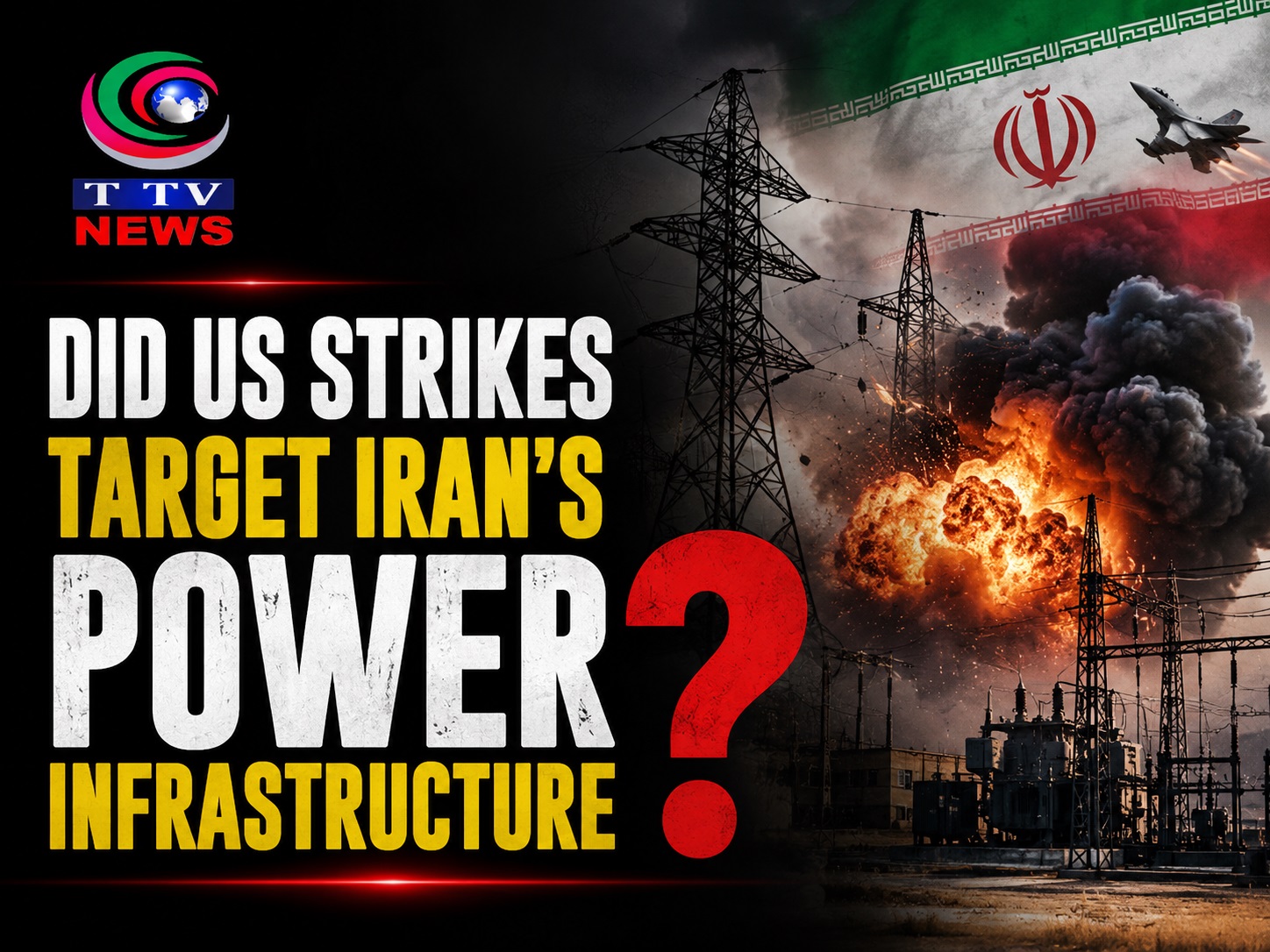
Tehran: Iran has publicly confirmed for the first time that its electricity infrastructure has been affected by the ongoing United States military campaign, marking a significant escalation in the conflict between the two countries.
Iran’s Energy Ministry referred to attacks on the country’s power network while asking residents in southern provinces to limit electricity consumption. Officials said the affected regions were facing intense summer temperatures alongside damage caused by attacks on energy infrastructure.
However, the ministry did not specify whether the strikes damaged electricity-generating stations, transmission lines, substations or other components of the national grid. The extent of the disruption and the number of areas experiencing outages also remained unclear at the time of reporting.
Power disruptions had been suspected earlier
Questions about possible attacks on Iranian electricity facilities had surfaced earlier in the week following reports of power-related problems. Tehran city council member Mehdi Chamran suggested on Tuesday that several energy facilities had already been hit, although the government had not formally confirmed the damage at that stage.
The latest statement from Iran’s Energy Ministry is therefore the country’s first direct acknowledgement that energy infrastructure has been affected during the American airstrike campaign.
The development has raised concerns about the impact of the conflict on civilians, particularly in southern Iran, where extreme heat can sharply increase electricity demand for cooling, water supply systems and essential public services.
US military campaign expands
The United States military said its latest round of airstrikes targeted dozens of locations across Iran. Among the sites struck was the strategic Chabahar port on the Gulf of Oman, an important regional trade hub that provides maritime access for neighbouring Afghanistan and has been developed with Indian support.
Iranian state media reported that a surveillance tower at Chabahar port collapsed following the strikes. US Defense Secretary Pete Hegseth also shared an image showing the damaged structure. Iran described the tower as a facility used to monitor commercial traffic entering the port.
The attacks reportedly continued for a sixth consecutive night, indicating that the American military operation had expanded beyond conventional military positions to transport and infrastructure-related locations.
Civilian impact reported in southern Iran
Iranian authorities also reported casualties in other parts of the country. According to the report, a woman was killed during an American strike in a residential area of Bandar Abbas, while her one-year-old child was left critically injured. Several other residents were also reportedly wounded.
Authorities temporarily restricted passenger train services from Bandar Abbas after a railway location in Hormozgan province was attacked. Travellers were directed to use buses to reach another station and continue their journeys.
Iran’s Health Ministry said that at least 38 people had been killed and more than 400 injured in US strikes as of Friday morning, though figures from active conflict zones may change as further information becomes available.
Wider regional confrontation
The confrontation has extended beyond Iranian territory. Kuwait said an attack attributed to Iran damaged a power and water-desalination facility, causing a fire and affecting several electricity-generating units. Kuwaiti authorities said the fire had been brought under control and damage assessments were underway.
Iran, meanwhile, claimed that it had targeted US military equipment and positions in Kuwait. Tehran also said its forces attacked American fighter jets stationed in Jordan, while Jordan’s military reported intercepting three Iranian missiles.
The acknowledgement of damage to Iran’s electricity network represents an important turning point in the conflict. Attacks on energy facilities can affect homes, hospitals, communication networks, transport systems and water infrastructure, increasing the humanitarian risks for civilians.
Further details regarding the precise locations hit, the scale of the outages and repair operations are awaited from Iranian authorities.