Global oil markets recorded gains after renewed hostilities in the Middle East heightened concerns over the security of energy supplies and vital shipping routes. The latest escalation has prompted traders and investors to closely monitor developments, as any prolonged conflict in the region could have far-reaching consequences for global fuel markets.
Crude oil prices advanced during trading as market participants reacted to increasing geopolitical uncertainty. The Middle East remains one of the world's most significant oil-producing regions, and any instability there often triggers concerns about potential disruptions to production, exports, or transportation.
Analysts noted that investors are becoming more cautious as tensions continue to rise. Although there have been no confirmed reports of major interruptions to oil production or exports, the possibility of future disruptions has been enough to push prices upward.
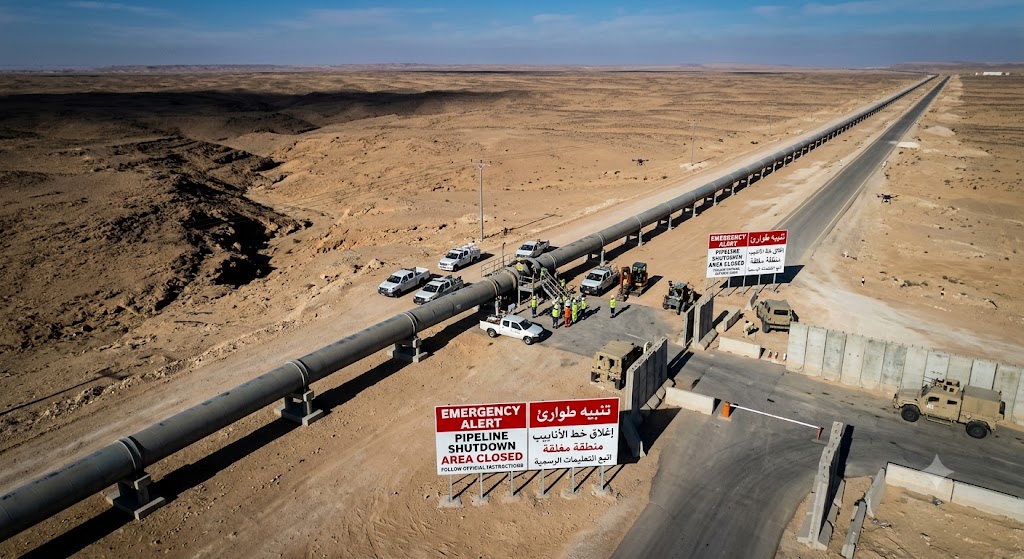
One of the primary concerns is the security of key maritime routes used for transporting crude oil. Any threat to these strategic waterways could delay shipments, increase transportation costs, and tighten global oil supplies. As a result, traders are factoring additional risk into energy prices.
The rise in crude prices also influenced broader financial markets. Investors shifted their attention toward safe-haven assets while monitoring geopolitical developments that could affect economic stability. Higher oil prices can increase transportation and manufacturing costs, which may eventually contribute to inflationary pressures in several economies.
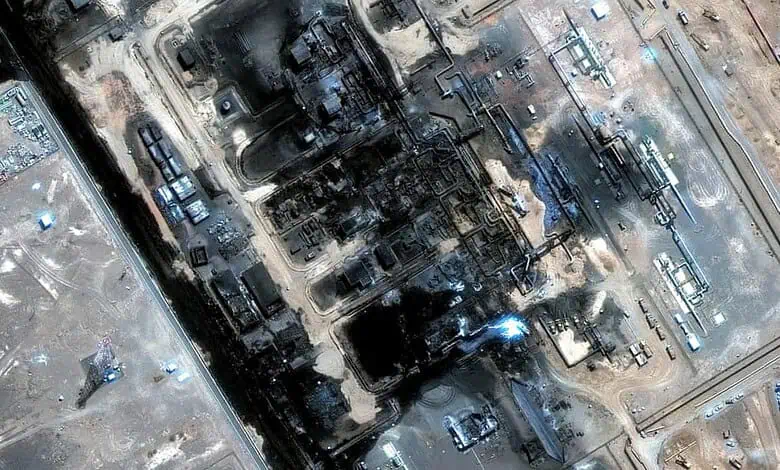
Energy experts believe the direction of oil prices in the coming days will largely depend on how the conflict evolves. If diplomatic efforts help reduce tensions, markets could stabilize. However, any further escalation or disruption to energy infrastructure may lead to additional price volatility.
Several countries continue to monitor the situation closely due to its potential impact on fuel imports and domestic energy costs. Governments and businesses are assessing market conditions while preparing for possible fluctuations in global oil prices.
Despite the recent increase, analysts say oil markets remain highly sensitive to geopolitical events, with prices likely to respond quickly to any significant developments from the region.
Market observers expect investors to remain focused on official updates regarding the conflict, diplomatic initiatives, and any signs of disruption to oil production or international shipping routes.
As uncertainty persists, energy markets are expected to remain volatile, reflecting ongoing concerns over supply security and the broader economic implications of continued instability in the Middle East.