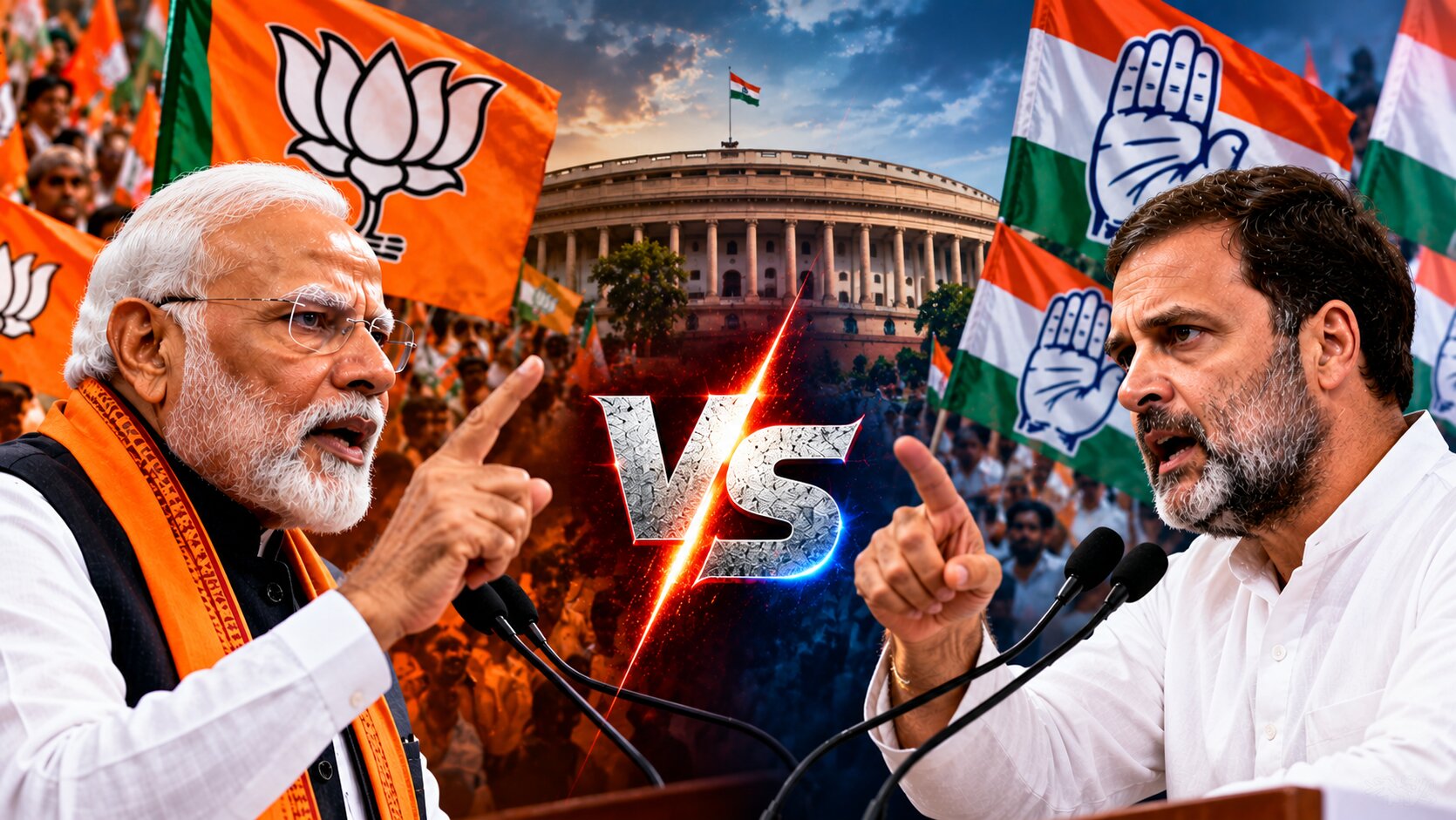

New Delhi: An opinion article examining the political debate over the Special Intensive Revision (SIR) of electoral rolls has raised questions about the response of the Rashtriya Swayamsevak Sangh (RSS) and the BJP-led government to protests over alleged voter deletions and concerns about electoral transparency.
The article focuses on remarks by RSS chief Mohan Bhagwat, Prime Minister Narendra Modi and Union Home Minister Amit Shah, arguing that their statements have shifted attention towards opposition parties and protesters rather than addressing questions raised about the voter-list revision exercise.
The SIR process has become a subject of political disagreement, with opposition parties alleging that eligible voters could be excluded from electoral rolls. The Election Commission’s procedures and the allegations surrounding the exercise remain central to the debate.
RSS Chief’s Remarks and the SIR Debate
The article examines Bhagwat’s Vijayadashami address, delivered on October 20, and his comments about political mobilisation and protests against the SIR process.
It argues that the RSS leadership’s response indicates opposition to the protests and examines the organisation’s influence in political and civil society activities. The article also questions the characterisation of the protests as part of a foreign-inspired conspiracy, noting that such claims require supporting evidence.
The writer contends that the response to the agitation could have implications for the space available to peaceful demonstrators and for public debate about electoral procedures.
Modi’s Remarks on Opposition Parties
The article also discusses Modi’s criticism of the Congress and its role in the protests. According to the writer, the Prime Minister’s remarks framed the opposition’s actions as contributing to disorder rather than directly addressing allegations of voter exclusion.
The piece draws parallels between the political messaging of the Prime Minister and the RSS chief, arguing that both have questioned the motives of protesters.
These interpretations reflect the author’s assessment of the political developments rather than an independent finding about the intentions of the leaders concerned.
Amit Shah’s ‘Infiltrator’ Allegations
The article examines Shah’s use of the term “ghuspaithiya”, referring to alleged illegal immigrants, in his criticism of the Congress.
It questions the lack of publicly detailed figures in the claims discussed and asks what evidence supports allegations that infiltrators are connected to the electoral-roll controversy. The writer also raises questions about the accountability of the authorities responsible for border security and electoral administration.
The piece argues that allegations about illegal immigration should be supported by verifiable information and distinguished from claims concerning eligible voters who may have been removed from electoral rolls.
Questions Over the RSS’s Political Role
The article further challenges the RSS’s description of itself as a cultural organisation, arguing that its ideology and public activities have significant political implications.
It traces the organisation’s relationship with Indian politics and examines the overlap between its ideological positions and those of the BJP-led government.
The writer argues that the response to the SIR protests reflects a wider political contest between the ruling establishment and groups challenging the electoral-roll revision process.
Electoral Transparency Remains at the Centre
The article concludes that questions surrounding the SIR, alleged voter deletions and the Election Commission’s accountability should be addressed through transparent procedures and publicly verifiable information.
It presents the protests as part of a broader debate about democratic participation, electoral integrity and the right to peaceful dissent.
The claims and conclusions in the piece are the author’s political analysis. Allegations of coordinated efforts to undermine protests, manipulate electoral rolls or pursue a particular ideological agenda would require independent evidence to be established as fact.