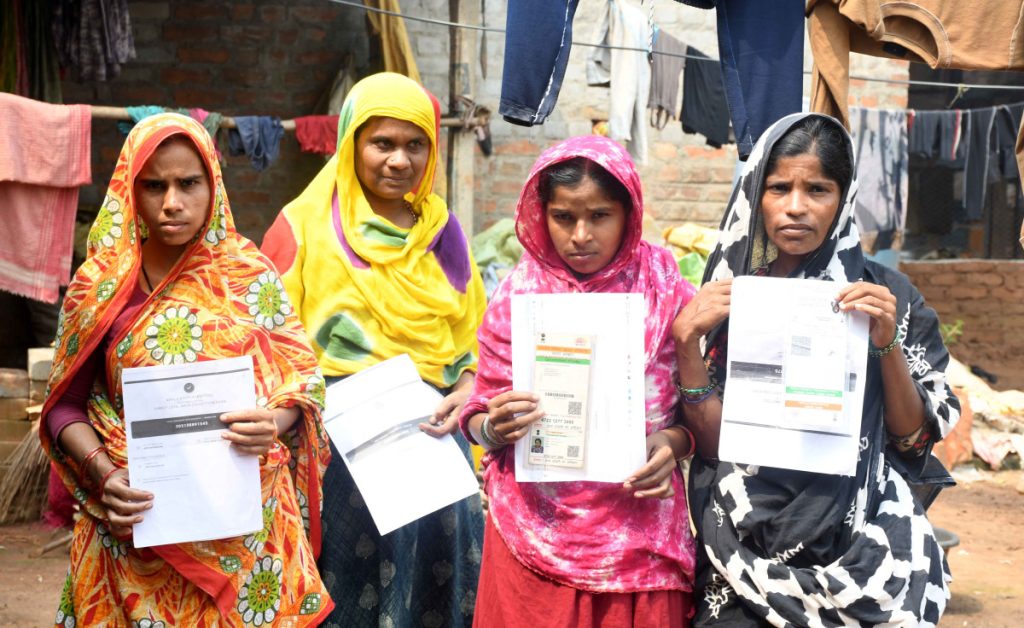
Women in Punisol village in West Bengal’s Bankura district allege that repeated applications for the Annapurna Yojana have not resulted in financial assistance for most applicants. Residents have also raised concerns about alleged delays, a lack of clear explanations and claims that applications are being treated differently.
6. Main News Content
Bankura: Women in Punisol village, located in West Bengal’s Bankura district, have alleged that repeated applications for the state’s Annapurna Yojana have failed to secure financial assistance for most applicants. They say visits to local government offices have not provided clear answers about the status of their applications.
The complaints come after residents of the village previously faced difficulties during the Special Intensive Revision (SIR) of electoral rolls, when thousands of voters were reportedly asked to attend hearings over alleged discrepancies in their records.
According to a report by The Wire, around 8,000 voters in Punisol, under Onda Block, faced uncertainty during the electoral roll revision. Many residents, including women, were reportedly categorised under “logical discrepancy” and summoned for hearings.
Following media coverage and the submission of documents by villagers, officials reportedly examined records and added eligible voters’ names to the electoral rolls, allowing them to vote.
Women Report Delays in Financial Assistance
Residents say they are now facing difficulties obtaining benefits under the Annapurna Yojana, a women-focused financial assistance scheme.
Punisol has 20 neighbourhoods and an estimated 9,000 women aged between 25 and 60, according to figures cited in the report. Around 8,000 women are said to have applied for assistance through online and offline channels. However, village health worker Golam Khaja estimated that only about 500 applicants may have received payments.
Jasima Khatun, an Accredited Social Health Activist (ASHA), said women frequently ask her when the assistance will arrive, but she has no information to provide.
During a visit to the village on October 10, The Wire spoke to women who alleged that repeated visits to the Punisol Panchayat and Onda Block office had not resolved their concerns. Some said officials had failed to explain why their applications remained unprocessed.
Allegations of Different Treatment
Some women claimed that officials had told them Hindu applicants would receive assistance first, followed by Muslim applicants. Fatema Bibi Khan and Akherun Khatun questioned the alleged explanation and sought clarification from the authorities.
The women also said they had previously received ₹1,500 under the Lakshmir Bhandar scheme during the Trinamool Congress-led government. They want to know why those payments stopped and why they have not received the assistance they say was announced at ₹3,000 under the current BJP-led government.
These claims about the order of payments and the reasons for delays have not been independently established in the information provided. An official explanation from the relevant authorities was not included in the report.
Financial Assistance Important for Household Expenses
Several women said the money had helped them manage routine household expenses, particularly in families dependent on small-scale scrap collection and resale.
Latifun Bibi Mondal said male members of her family travel to Bankura, Taldangra, Onda and nearby areas to buy used sacks, books, newspapers, iron and other scrap materials for resale. She said the earlier financial assistance helped support household needs.
Jyotsha Begum and Habiba Bibi Mondal also expressed concern about the delays. They said they planned to approach the Onda Block office again and could organise a sit-in if their applications remained unresolved.
The women are seeking clear information on the status of their applications and an explanation for why many eligible applicants have reportedly not received assistance.
The matter has raised questions among residents about the processing of welfare applications and the need for transparent communication from local authorities.

.jpg)