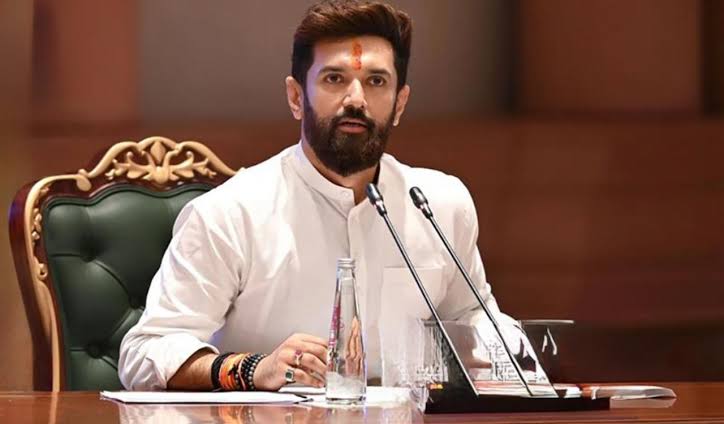
New Delhi: Union Minister Chirag Paswan’s criticism of the Narendra Modi government’s handling of protests over electoral roll revision has brought renewed attention to the changing dynamics of Dalit politics and the position of regional leaders within the National Democratic Alliance (NDA).
Paswan, who heads a faction of the Lok Janshakti Party (LJP), has occasionally taken positions critical of the government despite being an NDA ally. An analysis published by The Wire argues that his response to the October 10 protests reflects political calculations as well as concerns about the changing mood among sections of the Scheduled Caste community.
The article links these developments to wider concerns over employment, economic opportunities and the ability of younger Dalits to adapt to changing workplace demands.
Changing Landscape of Dalit Politics
Dalit political movements have experienced significant changes across states including Uttar Pradesh, Bihar, Maharashtra and Punjab. Established parties and leaders have faced organisational divisions, electoral setbacks and competition from emerging political figures.
In Uttar Pradesh, the Bahujan Samaj Party (BSP), led by Mayawati, has struggled to regain its earlier political influence. Chandrashekhar Azad, who founded the Azad Samaj Party, won the 2024 Lok Sabha election from Nagina, adding a new figure to the state's Dalit political landscape.
In Punjab, the article notes that Dalit communities form a substantial share of the population but have faced a fragmented political leadership. In Maharashtra, Dalit organisations have also experienced divisions and changes in political alignment.
The analysis argues that these developments have created space for new leaders to emerge, particularly among younger voters seeking representation on employment and social justice issues.
Abhijeet Dipke and the CJP Movement
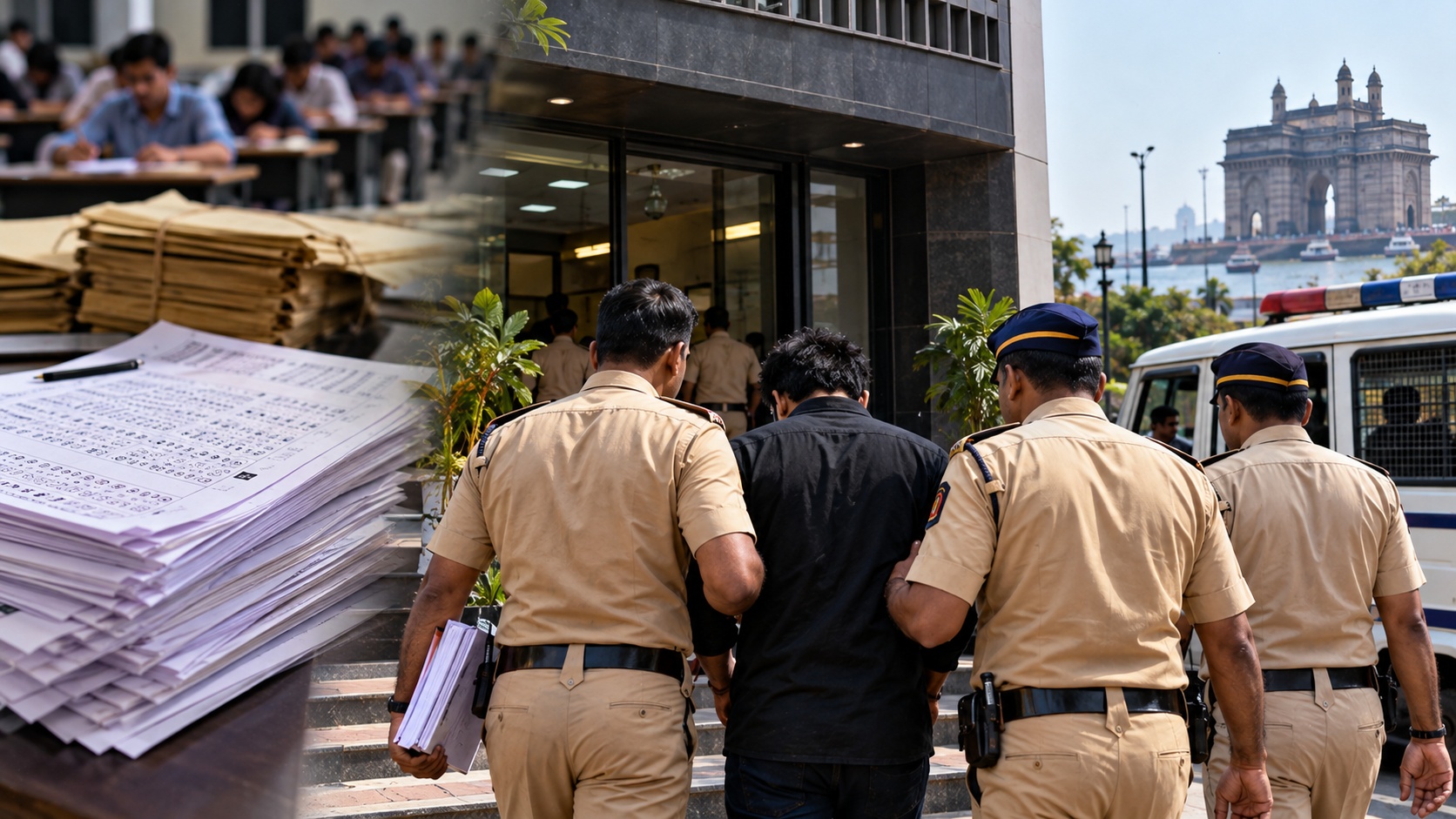
The article highlights the emergence of Abhijeet Dipke, associated with the Cockroach Janata Party (CJP), during a youth-led protest movement that initially focused on examination paper leaks and later expanded to other issues.
Dipke's prominence has attracted attention because of his role in the agitation and his Scheduled Caste background. The analysis suggests that his visibility could challenge established political figures who have traditionally claimed to represent Dalit interests.
However, Dipke has not presented himself exclusively as a leader of the Dalit community, and the extent of his influence among Dalit voters remains uncertain.
Chirag Paswan’s Position Within the NDA
Paswan's political position is closely connected to the electoral influence of his community, the Dusadhs, in Bihar. The article cites the 2023 Bihar caste survey, which placed the Scheduled Caste population at approximately 19.65% of the state's population and the Dusadh community at around 5.31%.
The analysis traces the LJP's political history, including the divisions between Chirag Paswan and his uncle Pashupati Kumar Paras. It also examines the BJP's role in the party's split in 2021 and the subsequent political realignment ahead of the 2024 Lok Sabha election.
According to the article, Chirag Paswan's electoral relevance has strengthened his bargaining position within the NDA, even as he has criticised aspects of governance and raised concerns about law and order in Bihar.
His public interventions, the analysis suggests, can serve both to communicate concerns among sections of his support base and to maintain political leverage within the alliance. These interpretations reflect the article's assessment of his motives rather than an independently established explanation.
Wider Implications for Dalit Representation
The article also discusses the political challenges facing the NDA after setbacks in the 2024 Lok Sabha election, including the BJP's loss in Faizabad, the constituency that includes Ayodhya, to Samajwadi Party candidate Awadhesh Prasad.
It argues that changes in Dalit political preferences could affect party strategies in states such as Uttar Pradesh and Punjab, where future electoral contests will test the appeal of established parties and newer political formations.
Overall, the analysis presents Paswan's response to the protest movement as part of a broader debate about representation, political alliances and the emergence of new leadership among younger sections of society. Whether these developments translate into lasting changes in electoral support remains to be seen.