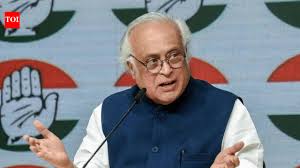

Great Nicobar Project Sparks Debate Over Strategic Growth vs Environmental Protection
The proposed infrastructure expansion in Great Nicobar Island has triggered a renewed national debate on whether strategic development can be balanced with environmental conservation.
The ambitious plan includes a new international airport, a transshipment port, a power plant, and a township aimed at strengthening India’s presence in the Indian Ocean region. While the government views the project as a major step toward boosting connectivity and defence preparedness, environmentalists and opposition leaders continue to raise serious concerns.
Congress leader Jairam Ramesh has been among the most vocal critics, arguing that the scale of construction could permanently alter the island’s fragile ecosystem. He has pointed out that large portions of tropical rainforest may need to be cleared, which could threaten biodiversity and disrupt coastal habitats.
Environmental Sensitivity of the Region
Great Nicobar is home to rare and endemic species, including marine turtles, Nicobar megapodes, and several protected bird species. Conservation experts warn that coastal development could impact coral reefs and nesting grounds, which play a crucial role in maintaining ecological balance.
The island also lies in a seismically active zone, making infrastructure projects more vulnerable to natural disasters such as earthquakes and tsunamis. Critics argue that this factor must be carefully considered before approving large-scale construction.
Strategic Importance vs Ecological Cost
Supporters of the project argue that Great Nicobar’s location near key global shipping routes makes it strategically significant for India. The proposed transshipment port is expected to reduce dependence on foreign ports and strengthen maritime trade capabilities.
However, environmentalists counter that strategic benefits should not come at the cost of irreversible ecological damage. They have called for alternative planning models that minimise forest loss and prioritise sustainable infrastructure.
Call for Revised Environmental Assessment
Jairam Ramesh has also questioned the adequacy of the environmental impact assessment, stating that limited data collection may not reflect the true ecological complexity of the region. He has demanded a more transparent review process and wider public consultation before final approvals are granted.
Conclusion
As the debate continues, the Great Nicobar project has become a symbol of India’s broader development challenge—finding a balance between national security ambitions and the urgent need to protect fragile ecosystems.