Hyderabad: Harish Rao Praises Marasam for Four Decades of Literary Activism
Telangana
State Politics
Hyderabad: Harish Rao Praises Marasam for Four Decades of Literary Activism
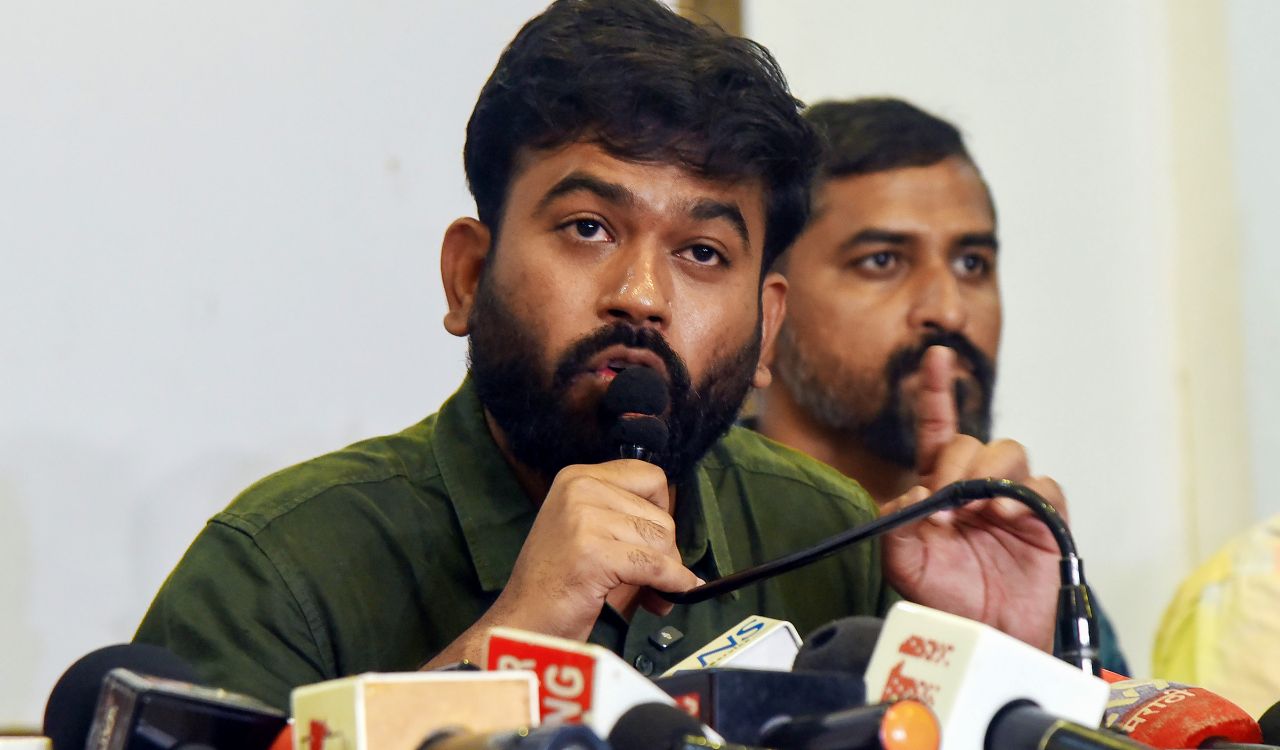
**Hyderabad:** BRS deputy floor leader T Harish Rao on Friday praised the Manjeera Rachayitala Sangham (Marasam) for sustaining its literary and social activism over four decades.
Speaking at the organisation's 40th anniversary celebrations at the Basheerbagh Press Club, Harish Rao said Marasam had extended its work beyond literature to raise awareness about social issues, including prohibition, starvation deaths, farmers' suicides and campaigns against gutka.
Harish Rao also highlighted the contribution of writer and former Sahitya Akademi chairman Nandini Siddha Reddy to the Telangana statehood movement. He credited Reddy's song “Naageti Sallallo Na Telangana” with contributing to the mobilisation around the movement.
Harish Rao claimed that Siddha Reddy had prioritised the Telangana cause over career opportunities and alleged that he had turned down an offer of Rs 1 crore from Chief Minister A Revanth Reddy. The claim about the reported offer was made by Harish Rao and was not independently established in the information available.
Harish Rao said BRS president and former Chief Minister K Chandrashekhar Rao had revived the Sahitya Akademi after the formation of Telangana and appointed Siddha Reddy as its first chairman. He alleged that the Congress government had not appointed a new chairman, leaving the institution non-functional.
He also credited Chandrashekhar Rao's government with constructing check dams across the Manjeera river, saying the projects improved water utilisation and benefited farmers in the erstwhile Medak district.
Highlighting the wider role of literature, Harish Rao said poems and songs had contributed to social movements and helped preserve accounts of the Telangana statehood struggle. He urged the government and parents to encourage reading among children, citing concerns over declining interest in books.
Harish Rao also discussed the growing use of artificial intelligence in creative fields. He said AI could generate poems and books but argued that it could not replace the personal experiences and emotional depth reflected in original literary works.