New Delhi: India has amended the Central Motor Vehicles Rules to facilitate the manufacture of vehicles capable of running on fuel containing up to 100% ethanol, paving the way for wider adoption of flex-fuel technology.
The Ministry of Road Transport and Highways (MoRTH) notified the changes through a gazette notification on Monday. The move aims to promote flex-fuel vehicles, reduce dependence on imported crude oil and support efforts to cut emissions.
What Are Flex-Fuel Vehicles?
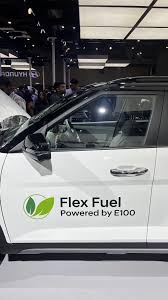
Flex-fuel vehicles are designed with fuel-system components and materials compatible with a range of ethanol-petrol blends, from E20 to E100. E20 contains 20% ethanol, while E100 refers to fuel consisting of pure ethanol.
However, higher ethanol blends are intended only for vehicles specifically designed and certified to use them. Vehicles designed for E20 or conventional petrol cannot use E85 or E100 unless they are approved for those fuels.
The ministry said motorists should check their vehicle's fuel-compatibility sticker and follow the manufacturer's instructions in the owner's manual before choosing a fuel. Flex-fuel vehicles use engine-management systems designed to adjust operation according to the fuel composition.
Changes to Vehicle Rules
The notification revises certain vehicle classification thresholds, fuel specifications and technical references used in emissions-related tables and testing provisions. It also raises the specified weight threshold for affected light petrol and diesel vehicles from 3,000 kg to 3,500 kg.
According to MoRTH officials, flex-fuel technology is established and has been used in countries such as Brazil and the United States.
Focus on Energy Security and Emissions
The government expects the adoption of flex-fuel vehicles to create employment opportunities across vehicle-component manufacturing, ethanol production infrastructure and related services.
The ministry said higher ethanol blends can help reduce tailpipe emissions of carbon monoxide and certain hydrocarbons. The extent of lifecycle greenhouse-gas reductions, however, depends on factors such as the feedstock used and the ethanol production process.
Greater use of domestically produced ethanol could also reduce India's reliance on imported crude oil and support energy security. The initiative forms part of the government's broader push for domestic fuel production and its long-term net-zero emissions target for 2070.
Automakers Develop E100-Compatible Vehicles
Maruti Suzuki India introduced the Wagon R Flex Fuel, designed to operate on ethanol-petrol blends ranging from E20 to E100, according to the report. However, limited availability of E85 retail dispensing outlets has been cited as a challenge to wider adoption.
Toyota Motor Corporation, Tata Motors and Hyundai Motor Company are also developing vehicles compatible with higher ethanol blends, the report said.
The revised rules provide a regulatory pathway for manufacturers to develop and introduce vehicles capable of using higher ethanol blends. Wider adoption will also depend on vehicle availability, certification requirements and the development of a suitable fuel-distribution network.