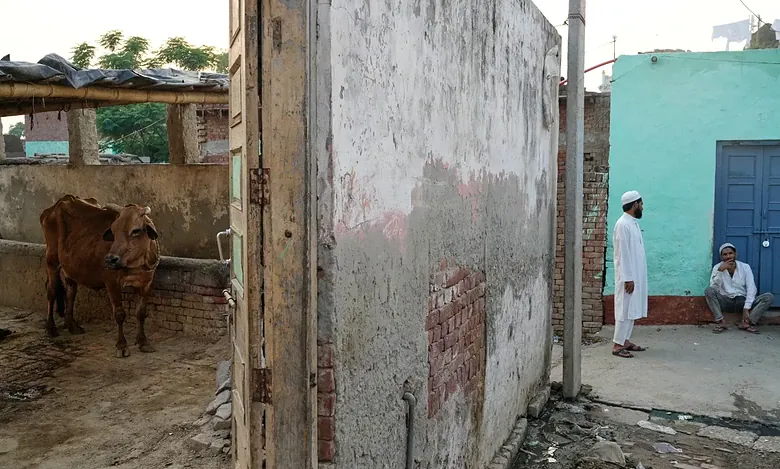
New Delhi: An investigation by the Associated Press (AP) has raised concerns over a pattern of police shootings involving alleged cow smugglers in Uttar Pradesh, with human rights activists, legal experts and judges questioning whether the use of force in such cases is consistent with the rule of law.
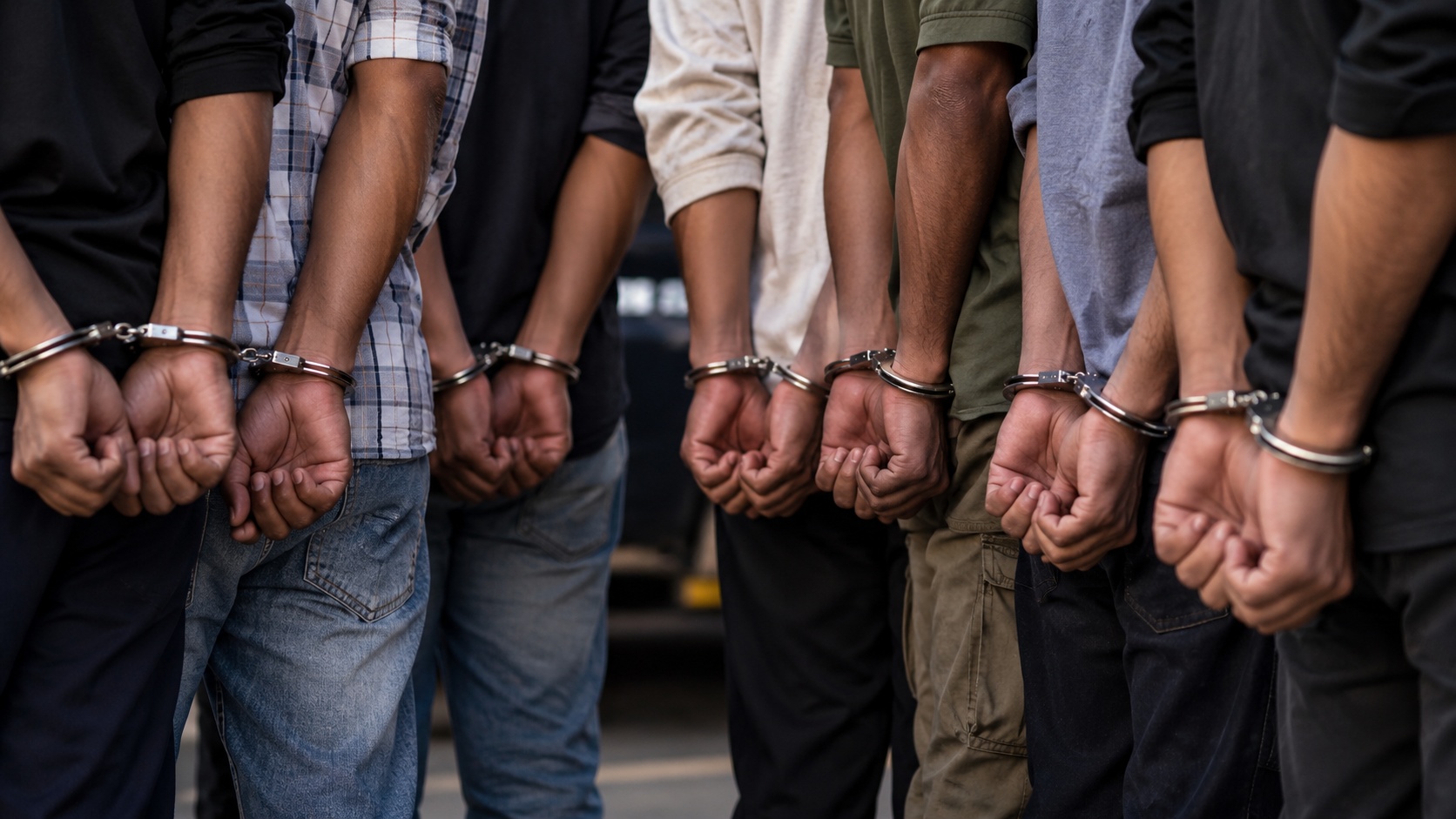
According to the AP investigation, police in India's most populous state have shot and injured hundreds of suspects accused of cow smuggling since 2020. The incidents frequently involve gunshot wounds to the legs, often below the knee, and disproportionately affect Muslims, according to data compiled by the Washington-based Center for the Study of Organized Hate.
Police have described the shootings as acts of self-defence during operations against criminal suspects. However, rights advocates and opposition figures have questioned whether some encounters amount to punishment outside the judicial system.
Hundreds of Shooting Cases Documented
The Center for the Study of Organized Hate compiled records of nearly 650 cases involving suspects accused of cow smuggling who were shot and injured by Uttar Pradesh police since 2020. The findings were shared with the AP, which independently reviewed a sample of more than 200 cases.
The investigation found that the overwhelming majority of identified victims in these incidents were Muslims. Among 627 cases in which names or other identifying information were available, nearly 93% of the suspects injured were Muslim, according to the centre's analysis.
The report also noted that the incidents examined were based on cases publicised by police, meaning the actual number of shootings could be higher.
Amitabh Yash, a senior Uttar Pradesh police official, told the AP that officers are instructed to use force only in self-defence. He denied the existence of any policy directing officers to shoot suspects in the legs and said he would investigate the reported pattern if a formal complaint were submitted.
Yash also rejected allegations that police officers receive career benefits for participating in encounters.
'Operation Langda' Draws Scrutiny
The practice of shooting suspects in the legs is locally known as “Operation Langda”, or “Operation Lame”. The tactic has reportedly been used against people accused of cow smuggling as well as suspects facing other criminal allegations, including theft and rape.
Cow protection is a politically sensitive issue in India, where cows are revered by many Hindus and several states have laws restricting or prohibiting cow slaughter and related activities.
India has a long history of police encounter killings, in which suspects are shot dead during police operations. Some activists argue that shooting suspects to injure rather than kill them has become an alternative approach intended to attract less public criticism.
The shootings have taken place amid a broader push for strict policing and a zero-tolerance approach to crime in Uttar Pradesh, which is governed by Chief Minister Yogi Adityanath of the Bharatiya Janata Party.
According to state police figures obtained by the AP, 316 suspects were killed in police encounters between Adityanath taking office in March 2017 and October 13, 2026. Of those killed, 110 were Muslim.
During the same period, 12,890 suspects were injured, while 18 police officers were killed and 1,953 were injured in the line of duty. The state police data did not provide religious details for suspects who were injured.
Uttar Pradesh police have defended their approach, saying the zero-tolerance policy has increased fear among criminals and strengthened public confidence in law and order.
Experts Question How Suspects Were Shot
Police accounts shared on social media often describe suspects fleeing, opening fire at officers and subsequently being shot to prevent them from escaping or causing harm.
However, human rights advocates have questioned whether the circumstances described in some cases justify the use of firearms, particularly when injuries repeatedly occur in the same part of the body.
Sandeep Pandey, an activist and opposition political leader in Uttar Pradesh, criticised the practice, arguing that it undermines the justice system.
Dr Mohd Kaleem Khan, a professor of forensic medicine at Aligarh Muslim University's Jawaharlal Nehru Medical College, also questioned whether some of the reported injuries were consistent with the circumstances described by police.
The AP report noted that experts raised concerns about the likelihood of bullets striking the calf without hitting bone when a person is fleeing or struggling, particularly at a distance.
Police officials, however, maintain that officers are authorised to respond to threats and that their actions should be assessed on the evidence available in individual cases.
Allahabad High Court Raises Concerns
The issue has also attracted judicial scrutiny. In January, the Allahabad High Court criticised the growing number of police encounters in Uttar Pradesh, particularly cases involving gunfire directed at suspects' legs.
In a ruling related to a bail hearing, a judge observed that such incidents appeared to have become routine and stressed that police officers could not substitute force for the judicial process.
The court also questioned whether some officers were misusing their authority to attract attention from senior officials or generate public support.
In a separate ruling in June, another judge expressed concern about what was described as a culture of institutional impunity in the state.
Despite these observations, legal action concerning alleged encounter abuses has progressed slowly in some cases. A petition filed by the People's Union for Civil Liberties in 2018, seeking independent investigations into alleged encounter killings in Uttar Pradesh, remained pending, according to the AP report.
Yash rejected allegations that the justice system had become politicised and said no police officer was rewarded for participating in an encounter.
Families Describe Long-Term Consequences
The AP spoke to the families of six Muslim men in Uttar Pradesh who had been shot in the legs by police. The family members requested anonymity, citing fears about speaking publicly. At the time of the interviews, the men were either in jail or living in hiding.
One woman told the AP that her son had supported the extended family through the buffalo trade. She said his injuries had left him unable to work, forcing relatives to depend on assistance from others.
Another woman said her son, who traded dairy buffaloes, had been shot in both knees. The family was struggling financially and had taken small loans to meet its needs.
The accounts illustrate the potential long-term impact of serious injuries on suspects and their families, particularly when the injured person was the household's primary earner.
The AP report did not establish the circumstances of every individual shooting, and the allegations surrounding specific encounters require case-by-case investigation.
Debate Over Religious Discrimination
The findings have intensified concerns about the treatment of India's Muslim minority in policing related to cow protection laws.
Raqib Naik, executive director of the Center for the Study of Organized Hate, said the centre's findings raised concerns about the disproportionate impact of law enforcement on Muslims accused of cow smuggling.
Yash disputed the suggestion that police were targeting a particular religious community. He argued that the religious composition of the suspects reflected participation in the cattle trade and maintained that the police force included people from different communities.
The AP also cited historical data showing that Muslims accounted for 4.8% of Uttar Pradesh's police force in 2013, according to National Crime Records Bureau figures. India has not published comparable data on the religious composition of police officers for more than a decade.
The investigation has renewed debate over police accountability, the use of force against criminal suspects and the need for independent scrutiny of encounters. Rights advocates and legal experts have called for greater adherence to legal procedures, while police officials maintain that encounters must be assessed in the context of operational risks and self-defence claims.